Before getting to Part II of Mass Madness, I want to address something Mike brought up in a recent comment. Responding to Mass Madness Part I, Mike wrote:
"This whole thing makes me wonder to what degree the 'culture industry' is following the populace, and to what degree it's leading it. Suppose the powers that be in entertainment decided that we all needed to be listening to Mozart...."
This is an interesting question. What would happen if the powers that be decided to mass market Mozart? Not a whole lot, I think. I doubt very much that Mozart, in his classical form, would catch on with the general populace. Hooked on Classics (remember that classical music set to a disco beat drivel?), on the other hand, might make a splash.
If an artifact is to catch on with the masses, it must be both physically and psychologically accessible. Physically accessible means an artifact must be both available (carried in stores) and affordable (priced so that most people could purchase the product). Fish sticks are physically accessible for most us; caviar is not. A product that's psychologically accessible is one that most people can comprehend; the product isn't too intellectual, complex, outlandish, offensive, or different. Once again, most of us can wrap our minds around the idea of eating fish sticks. Caviar is a little too different for a great many people.
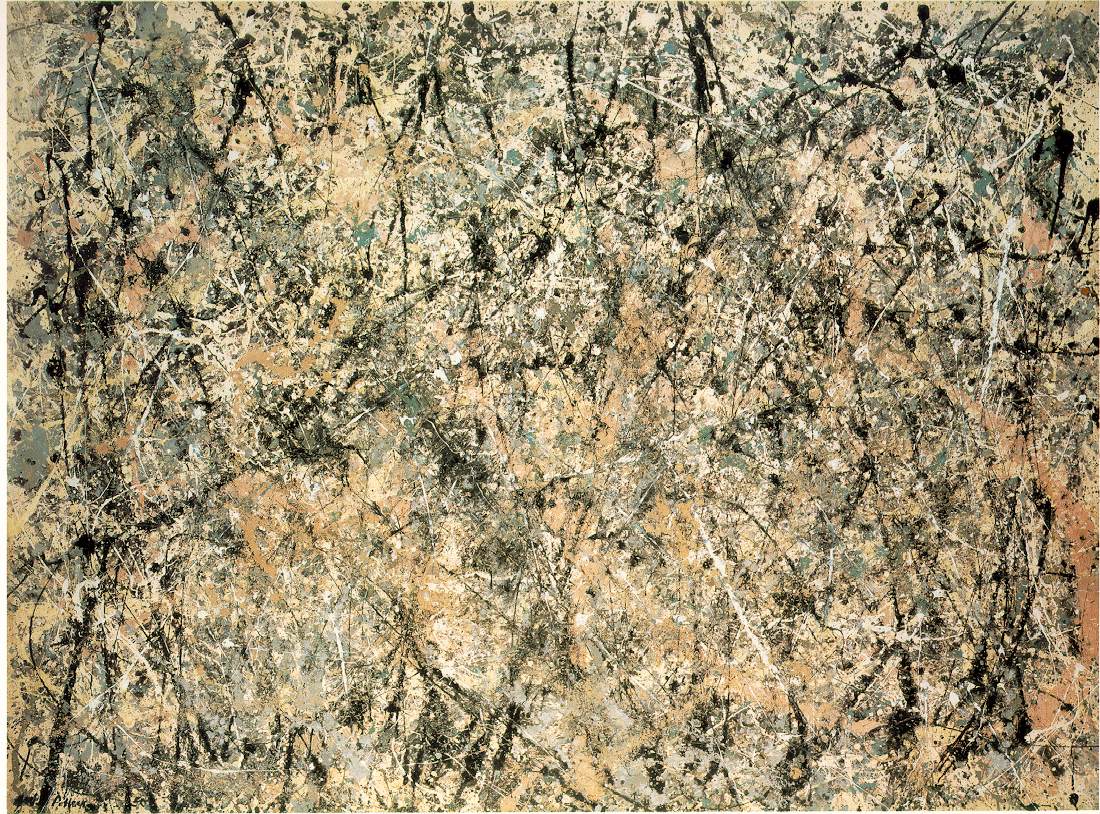
The idea of a High Culture/Mass Culture/Low culture hierarchy or continuum compliments the notions of physical and psychological accessibility. An artifact that falls in the category of high culture is something that's inaccessible to most of the mass public. A high culture artifact might be too intellectual, complex, or expensive for the average person. For instance, most of the general populace doesn't have the knowledge necessary to really understand and appreciate a Jackson Pollock or Matisse. At the opposite end of the spectrum, low culture, are artifacts from street and folk culture. While most of the these artifacts meet the affordability requirement, they might not be available or easily understood. New musical genres often start as low culture art forms; bluegrass, jazz, punk, and hip hop all started as folk practices. Jazz, even though it's readily accessible in most music stores, perplexes the average listener. Certain styles of fashion, like Goth or Punk, are considered too different or abrasive and never clear the psychological accessibility hurdle. Mass culture, then, is the area occupied by those artifacts generally accessible, both physically and psychologically, to most people.
Back to Mike's question. Classical music, despite its widespread physical availability, is psychologically inaccessible to a great many people. Oh, they enjoy a good classical score to a movie, but they're unlikely to sit down and listen to Mozart. Why? Classical music is extremely complex and requires at least some musical training to fully understand the nuances. So, even if the cultural industry started marketing Mozart like mad, I doubt we'd see classical music rise to the level of pop music. People treat Shakespeare in a similar way; they won't attend a classic performance ("I can't understand a thing they're saying!"), but they'll sit down and watch West Side Story (Romeo & Juliet), 10 Things I Hate About You (Taming of the Shrew), or O (Othello).
My question as a popular culture critic is this: Are we in danger of losing an art form when we see classic literature "rewritten" in what many consider a watered-down form?

1 comment:
The concept of psychological accessibility explains a lot. Unfortunately, it seems to reinforce the idea that the mass culture industry will always, by financial necessity, cater to the lowest common denominator. As a result, well-written and thought-provoking shows like 'Firefly' and 'Space: Above and Beyond' will be cancelled after one season (or less), and Survivor will continue to run until they're doing generational reunion shows.
Unless the general public gets a lot smarter - an event I see as somewhat less likely than the Rockies winning next year's World Series - we'll continue to get the same crappy TV, movies, and music that we're getting now.
Yeah, sign me right up for that.
Post a Comment